May 19, 2026
There’s an Automation for That: How Automation Is Reshaping Enterprise Software

Traditionally, software is created to facilitate and guide human action. It moves users from one task to another, and while it focuses on efficiency and workflow simplification, the output ultimately depends on user input.
Pilot is a good example of this, as we set up a solid flow for the ad sales process. Users search for programming, apply research, create proposals, and manage orders directly within the platform. With a strong focus on user experience and a solid UI, we provide the support needed for a successful transaction.
But the real change comes when actions work behind the scenes, where automation doesn’t require user input and essentially runs the work itself. This is our vision for Pilot: a system that eliminates mundane tasks and ultimately automates as much as you need it to.
The Workaround
When it comes to legacy enterprise systems, most were not built with automation in mind.
As AI and automation technologies have accelerated, many companies have tried to layer these capabilities on top of software that was never designed to support them in the first place. The result is often a collection of workarounds meant to keep aging systems competitive.
Enter the era of bots. Bots are action-based automations that follow predefined rules and repetitive steps. They’re useful for handling routine tasks, but they depend heavily on stable interfaces and predictable outcomes. They’re often brittle, break when UI changes, and require constant maintenance. They’re more or less a band-aid to the problem.
Now, many organizations are moving toward AI agents. Unlike bots, AI agents are designed to make decisions, interpret context, and complete multi-step tasks with less human guidance. Instead of following a fixed script, they attempt to reason through workflows dynamically.
On paper, this sounds like the next evolution of enterprise software. But when AI agents are layered onto fragmented systems, they often become just another workaround. Companies end up building complicated business logic around AI that is plagued with security issues and doesn’t provide true solutions.
How We’re Tackling Automation
It’s obvious our take on automation is centered around real change: actual and configurable software that eliminates unnecessary work from the process itself.
We’re already putting this into practice across multiple areas within Pilot.
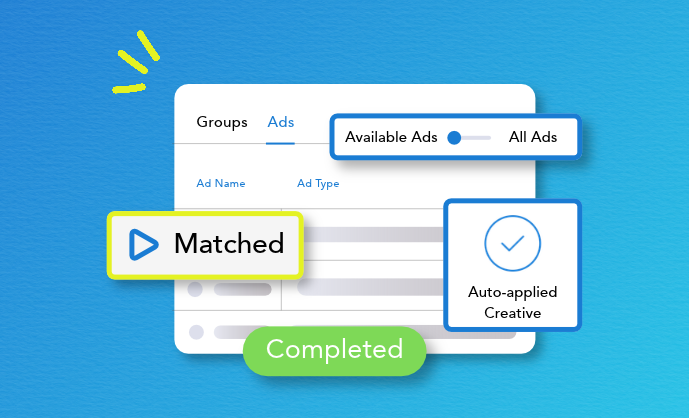
Order ingest automation automatically pulls files from agencies directly into traffic systems, reducing manual entry and speeding up the order process.
Workflow automation streamlines approval processes based on specific business conditions, helping teams move faster and more efficiently.
Export automation automatically pushes orders into traffic systems, eliminating the need for ad ops teams to manually move between platforms.
We’ve also introduced automated order line approvals directly within the traffic system itself, creating a more connected and efficient operational flow across teams.
And this is only the beginning.
As we continue expanding Pilot’s automation capabilities, we’re also actively developing solutions around makegoods and reducing the operational burden surrounding revisions, dropped spots, and other repetitive adjustments.
Operational Efficiency is Revenue Efficiency
So what does this actually look like from an operational standpoint?
With Pilot, we give admin users control over how much automation they want to introduce. Business rules can be configured based on each organization’s needs, but the overall goal stays the same: eliminate the repetitive and time-consuming tasks that have slowed the industry down for years.
We see a version of this that applies to both television and digital products. Because Pilot is a truly converged system, everything can be managed from one centralized location. Teams no longer have to switch between disconnected platforms or recalculate data across systems depending on the screen or product type.
That becomes especially important when managing impression yields and delivery. With combined proposals and centralized order management, teams have more flexibility around where impressions are delivered and how campaigns are fulfilled.
This carries into creative and media management as well. Teams will experience fewer delays and far less dependency on multiple applications to complete day-to-day work. The result is a faster, more connected, and much simpler operational experience overall.
Closing Thoughts
As technology continues to evolve, it’s easy to rely on workarounds to solve the operational challenges teams face every day. But when it comes to automation, the only true solution is purpose-built software designed to support the way teams actually work.
The future of ad sales will continue moving toward automation, creating faster and more efficient operational workflows across the industry. As time spent on repetitive tasks and manual processes decreases, teams will be able to focus more on building stronger schedules, strengthening client relationships, and driving better revenue outcomes overall.